Carlos A. Alvarez Zambrano
Postdoctoral Researcher, University of Waterloo. Formerly a postdoc at Stanford University and UCLA.

Department of Mechanical and Mechatronics Engineering
University of Waterloo
Waterloo, ON, Canada
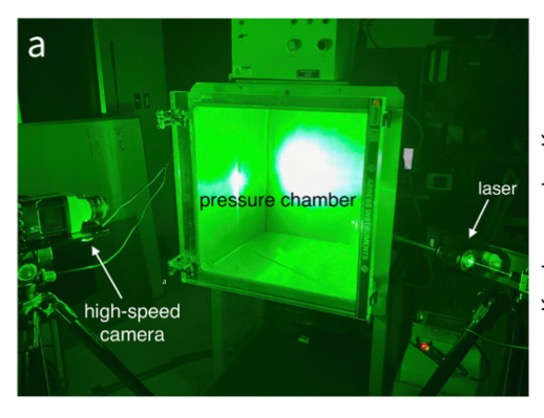
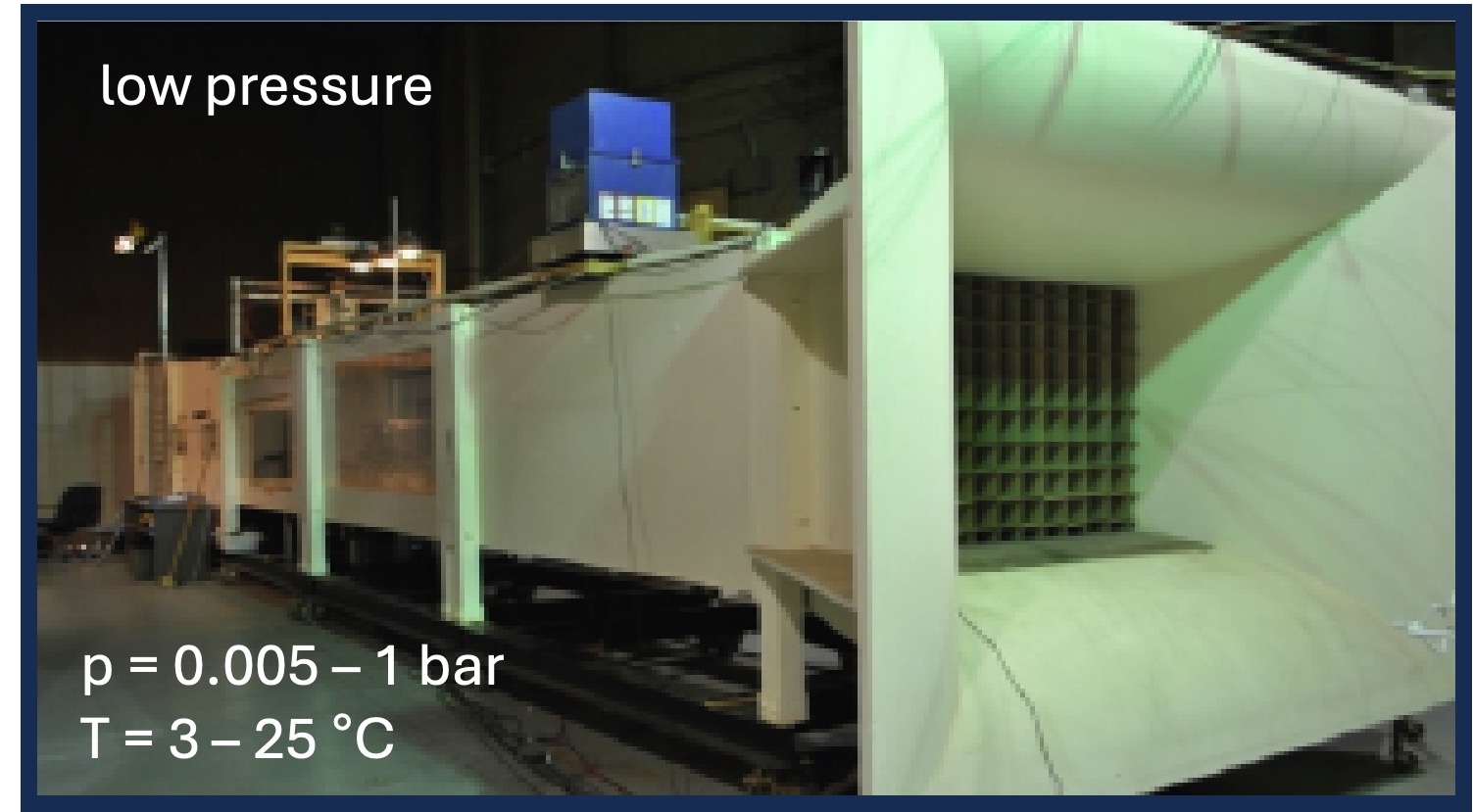
I am a quantitative fluid dynamicist and geomorphologist studying how wind, water, and gravity shape planetary surfaces — from sand dunes on Earth to the windswept landscapes of Mars. I am currently a Postdoctoral Scholar at the University of Waterloo, working on boundary layer separation and flow control. Previously, I was a Postdoctoral Scholar at Stanford University, where I conducted low-pressure sediment-transport experiments at the NASA Ames Research Center to elucidate the origin of Mars’s large windblown ripples. Before Stanford, I held a postdoctoral position at UCLA, where I used large-eddy simulations to study how the combined effects of convection and topography enhance dust transport in the atmospheric boundary layer. I earned my Ph.D. in Mechanical Engineering (Thermal & Fluids) from the University of Campinas (UNICAMP), Brazil’s top-ranked engineering school, including a collaborative research period at Western University, Canada. My dissertation was honored with the ABCM-EMBRAER Prize 2020 for Best Ph.D. Thesis by the Brazilian Society of Mechanical Sciences. My research combines experimental and numerical approaches — including wind-tunnel and flume experiments, Particle Image Velocimetry (PIV), high-speed imaging, and computational fluid dynamics (CFD) and discrete element method (DEM) simulations (OpenFOAM, CFDEM) — to tackle problems at the intersection of fluid mechanics, geomorphology, and planetary science.
news
| Dec 15, 2025 | Invited speaker at the 2025 AGU Fall Meeting, New Orleans, USA. Session EP002: Aeolian Processes Across the Solar System. |
|---|---|
| Oct 01, 2025 | Joined the Fluid Mechanics Research Lab at the University of Waterloo as a Postdoctoral Scholar. |
| Jun 02, 2025 | New paper out in Nature Communications! Aerodynamic roughness of rippled beds under active saltation at Earth-to-Mars atmospheric pressures. Nature Communications, 16, 5113 |